Blog
Here are some of my blog articles on bioinformatics, data structures, algorithms, data science and other topics that interest me.
Publishing Python packages related to bioinformatics on bioconda
Have you had trouble installing packages and running a gazillion commands to install dependencies? If you are lucky (which most of the time you won’t be), you will end up installing the package without having any dependency issues or version conflicts.
Read article
Marker Genes and Gene Prediction of Bacteria
When we think of the word marker, the first thing that comes to our minds is something that is used to indicate a place. For example, it can be your current location on Google Maps or it can be the place where you planted some seeds in your garden.
Read article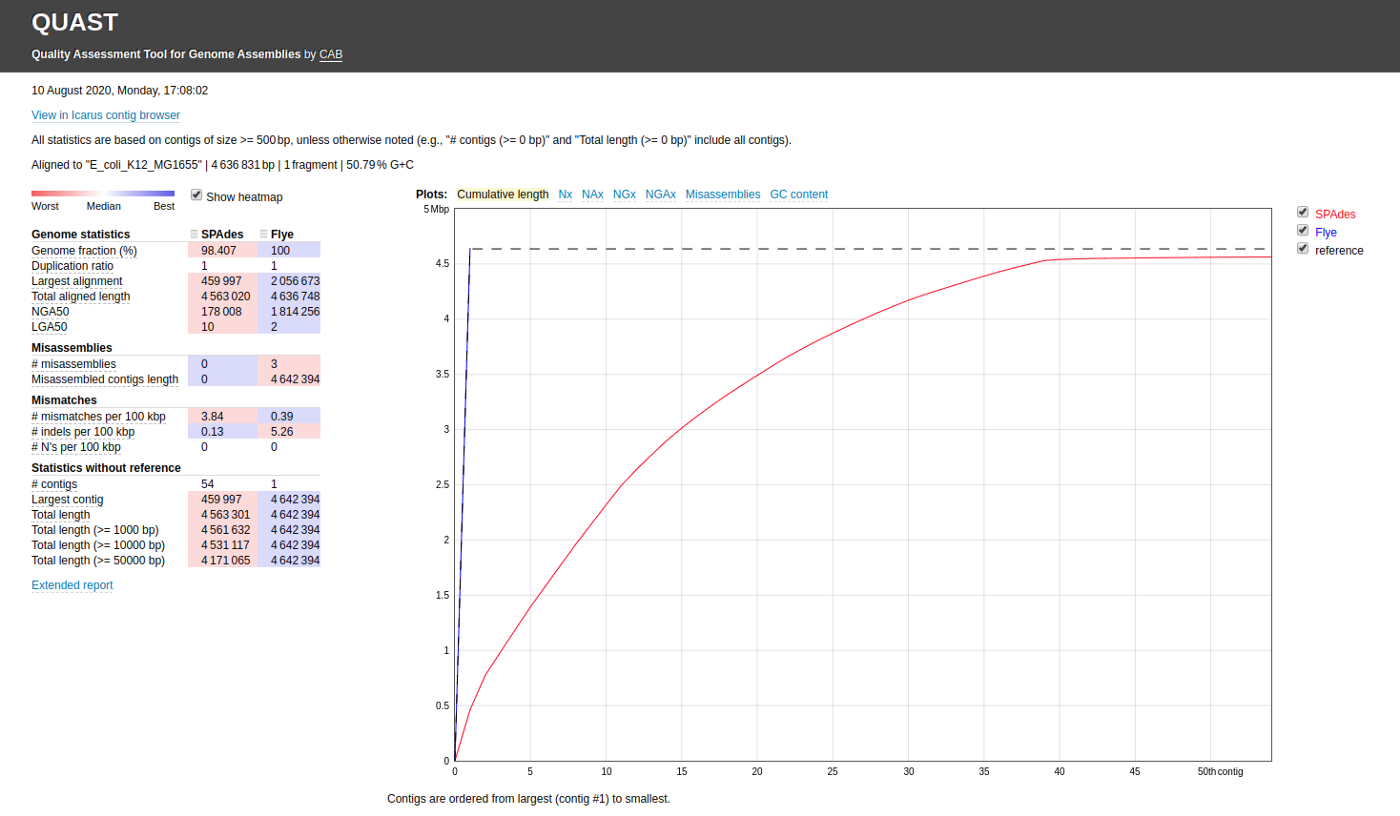
Assessing the Quality of Genome Assemblies using QUAST
The assembly algorithms that have been developed so far intend to provide better assemblies evaluated under different criteria. Hence, depending on the specific scenario the assembly process might produce better results if we use the most appropriate assembler.
Read article
Software Tools for Reference-free Binning of Metagenomes
We know that there are trillions of microbes in the environment surrounding us, even in our bodies. These microscopic communities have very diverse ecosystems and by studying their composition and behaviour we can learn a lot about them.
Read article
Metagenomics — Who is there and what are they doing?
Did you know that your body houses about 100 trillion bacteria? Estimates show that a human has approximately a pound or two of bacteria living in his/her gut (stomach) [1] (Now don’t go and drink all the antibiotics you know, to kill those bacteria.
Read article
Bioinformatics Workflow Management Systems: Introducing Unipro UGENE to model Bioinformatics Workflows
With the development of various methods to obtain data from living beings, there has been an explosion in biological data which is readily available to be used. However, such vast amounts of data will be of no use if there is no proper way to execute a series of steps to manipulate the data as we want, to output desired results.
Read article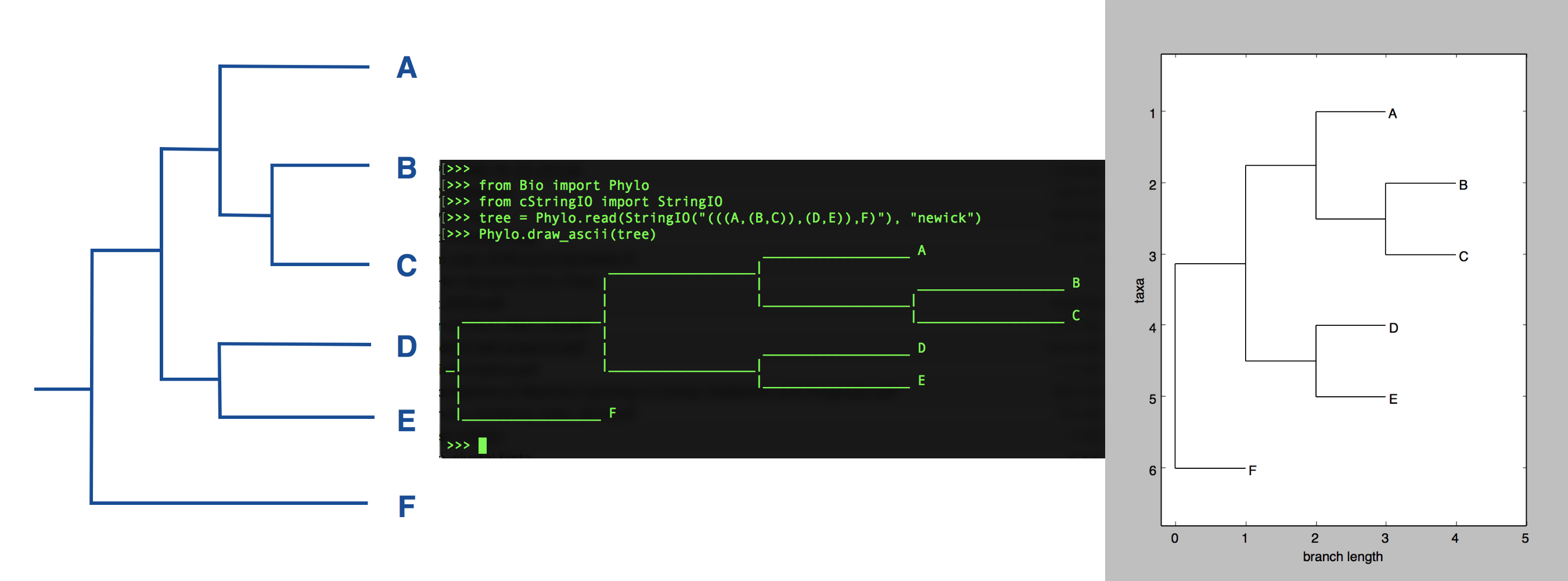
Molecular Phylogenetics using Bio.Phylo
Have you ever wondered how life formed from the primordial soup and evolved to the different life forms which can be seen at present? How did different species evolved from their ancestors and what relationships do they have with each other?
Read article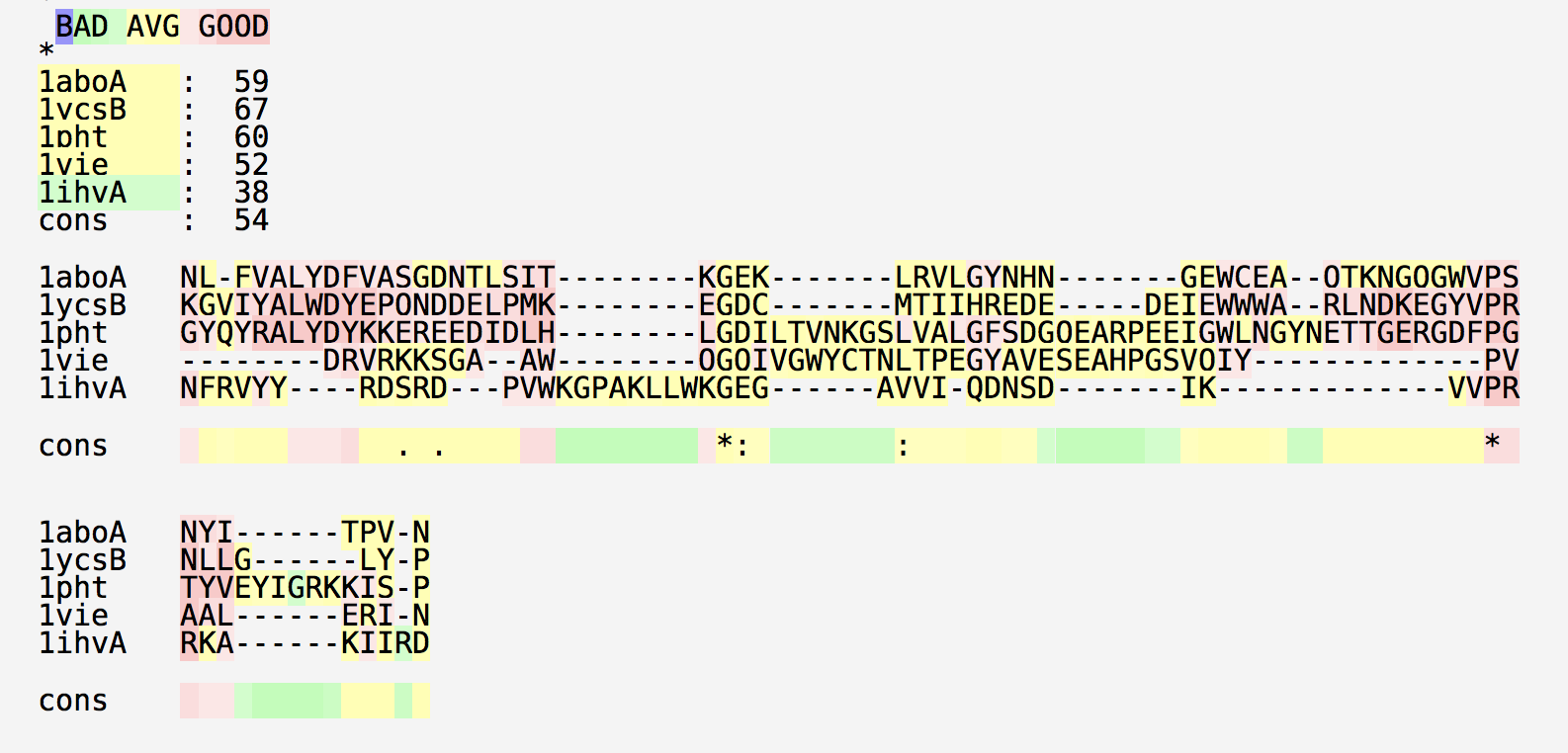
Multiple Sequence Alignment using Clustal Omega and T-Coffee
Have you wondered how scientists identify regions of similarity in three or more biological sequences? As described in my previous article, Sequence alignment is a method of arranging sequences of DNA, RNA, or protein to identify regions of similarity.
Read article
Pipeline Frameworks for Genomic Data
Yesterday I was returning home from university via the expressway and the oil refinery at Sapugaskanda caught my eye. The refinery towers operate while sending huge flames into the sky with smoke.
Read article
Starting off in Bioinformatics — DNA Nucleotides and Strands
In my first article where I introduced bioinformatics, I have mentioned that we will be learning a lot about DNA, RNA and Protein sequences. Since I’m new to all these DNA/RNA jargon, I decided to learn about them first and then try out some coding problems.
Read article
A Dummies’ Intro to Bioinformatics
The word Bioinformatics is making quite a turnaround in today’s world of Science. The word seems to be made up of two parts which are related to two different fields, biology and computer science.
Read article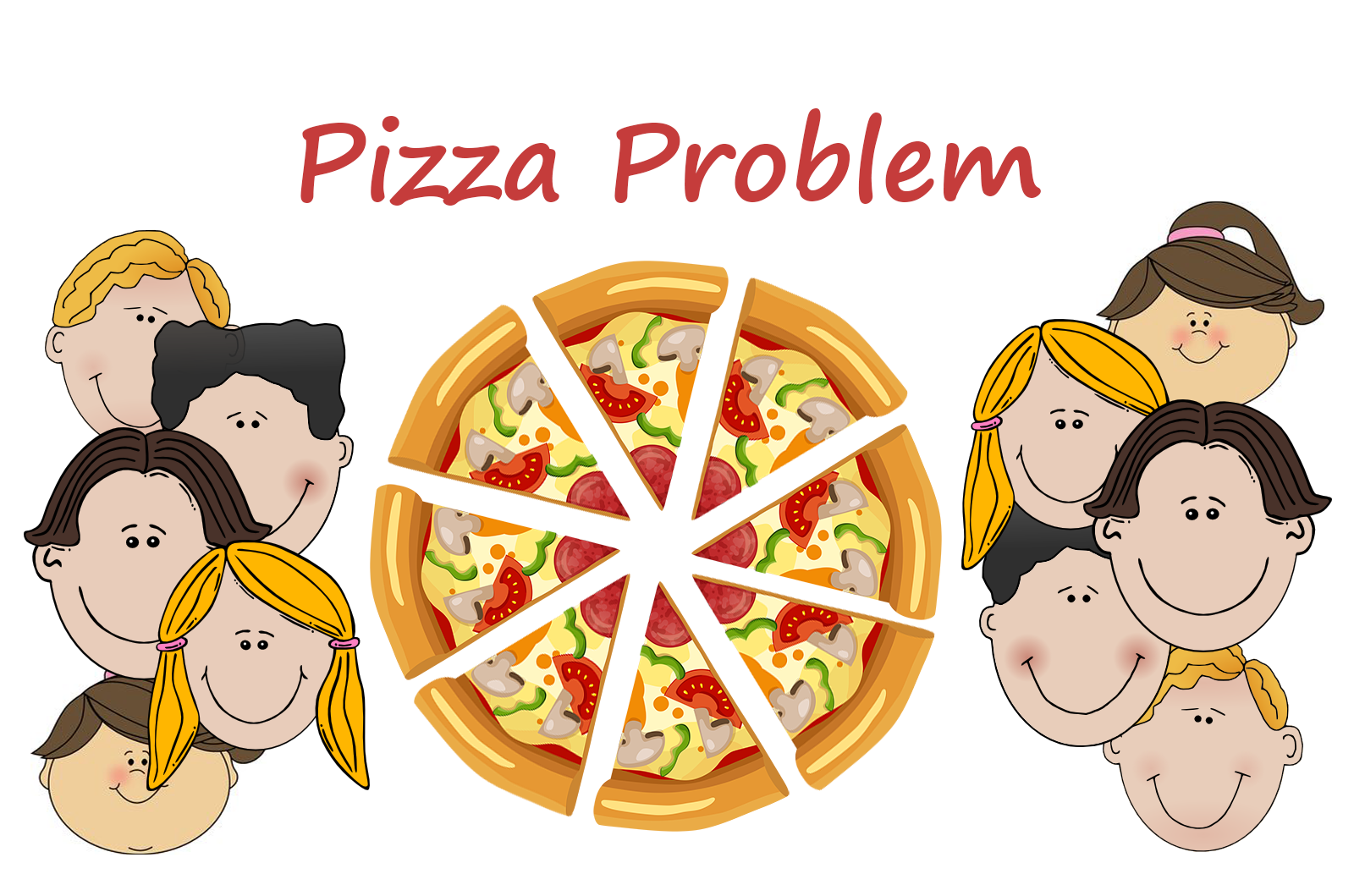
The Pizza Problem – Concurrent Programming
A group of students are studying for an exam. The students can study only while eating pizza.
Read article
Life without Search Engines – How would it be?
Whenever we find something that we do not know, or when we cannot find a solution to a problem, the first thing we do is search on Google. Google has become so close to our lives that it eventually has become a commonly used verb in the English language.
Read article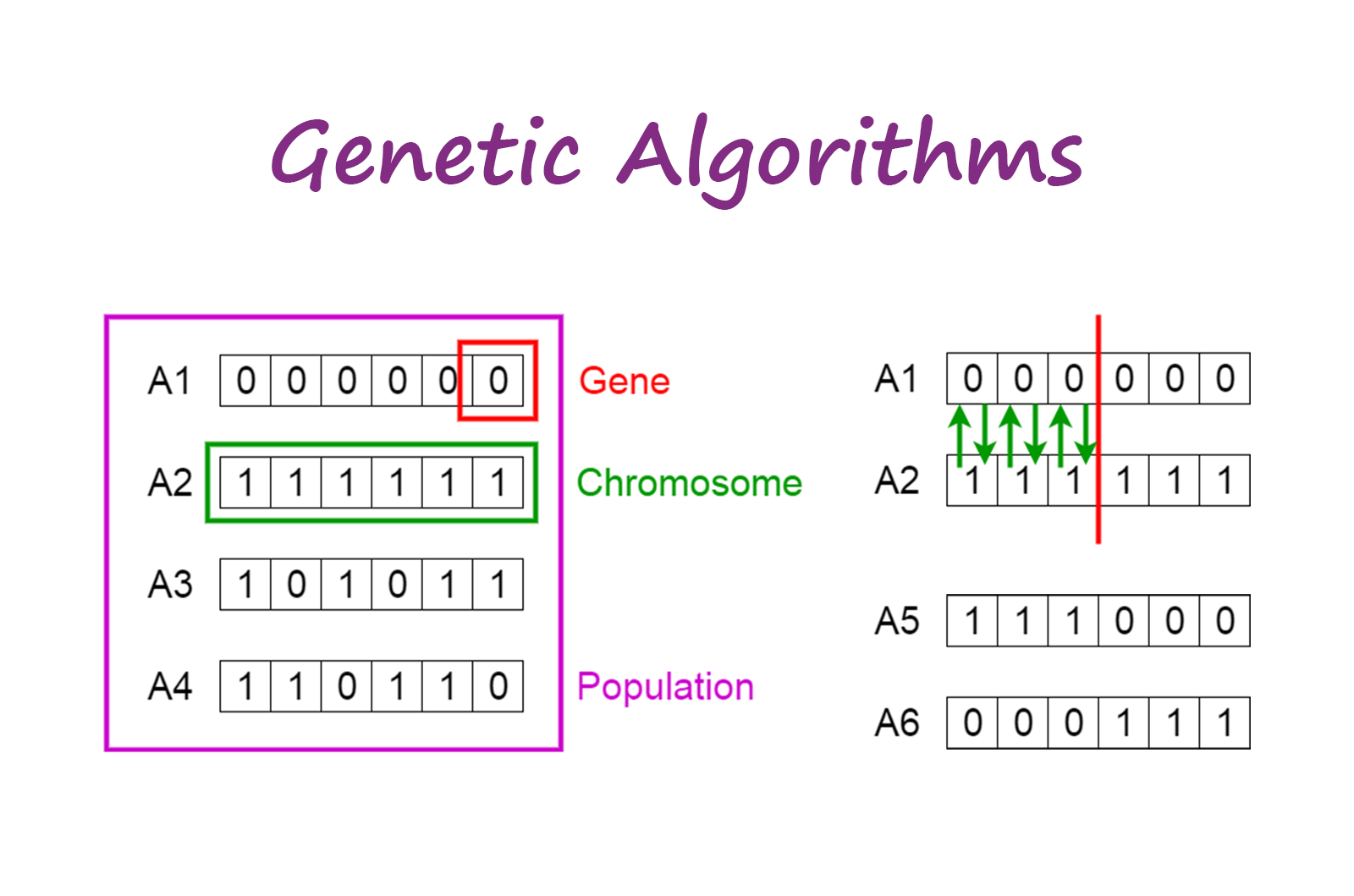
Introduction to Genetic Algorithms
A genetic algorithm is a search heuristic that is inspired by Charles Darwin’s theory of natural evolution. This algorithm reflects the process of natural selection where the fittest individuals are selected for reproduction in order to produce offspring of the next generation.
Read article
Android 7.0 on Galaxy S6 Edge – Three things I love about Nougat
Nougat began rolling out to Nexus devices and the Pixel C on 23rd of August 2016. Since then I was so excited about the new Android 7.
Read article
Kitchen Hunt: Recipe Search with Ingredients in your Kitchen
At present, cooking has become very popular all over the world. There are many foods made worldwide which are associated to different cultures, traditions and countries.
Read article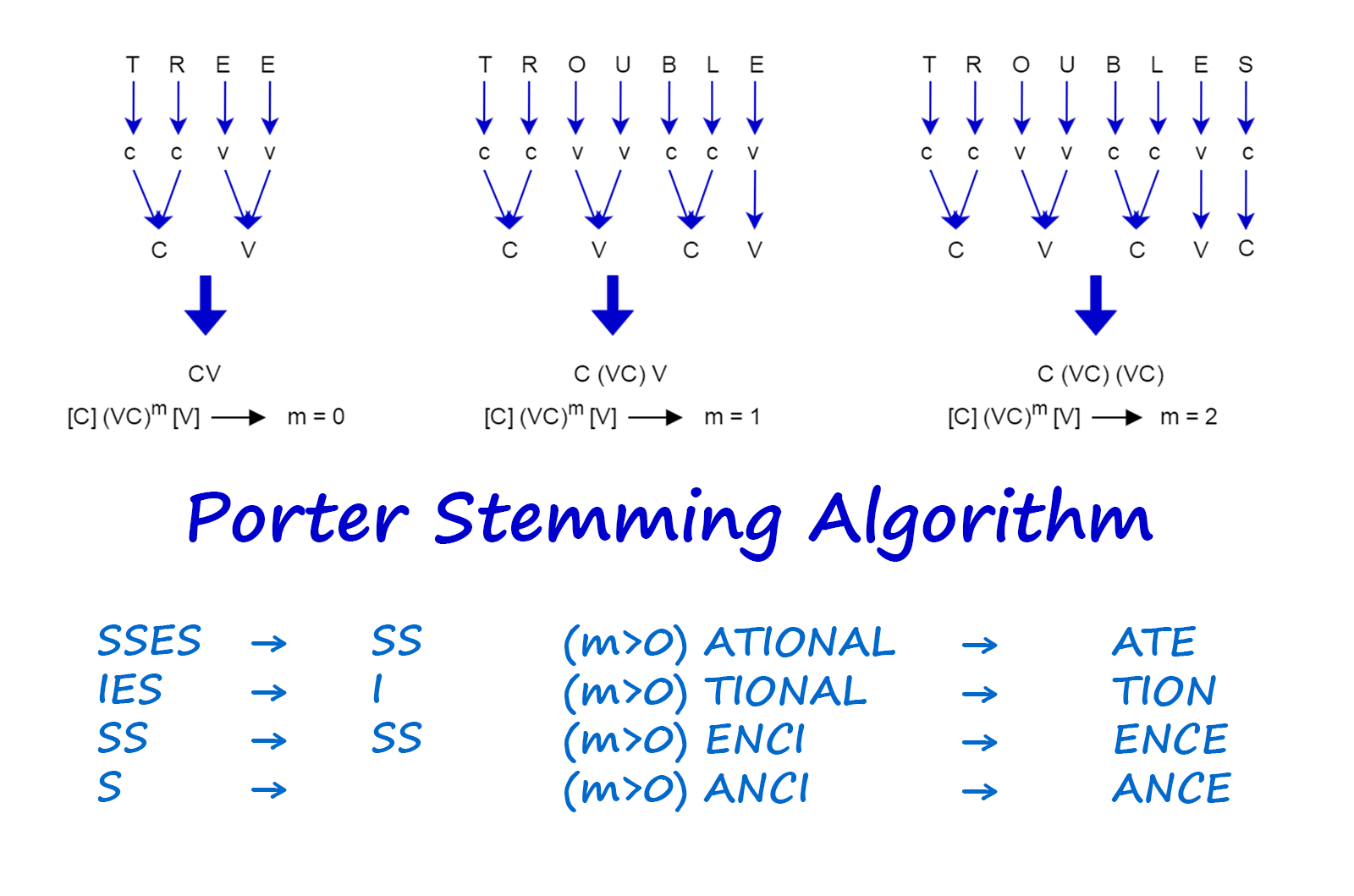
Porter Stemming Algorithm – Basic Intro
In linguistics (study of language and its structure), a stem is part of a word, that is common to all of its inflected variants.
Read article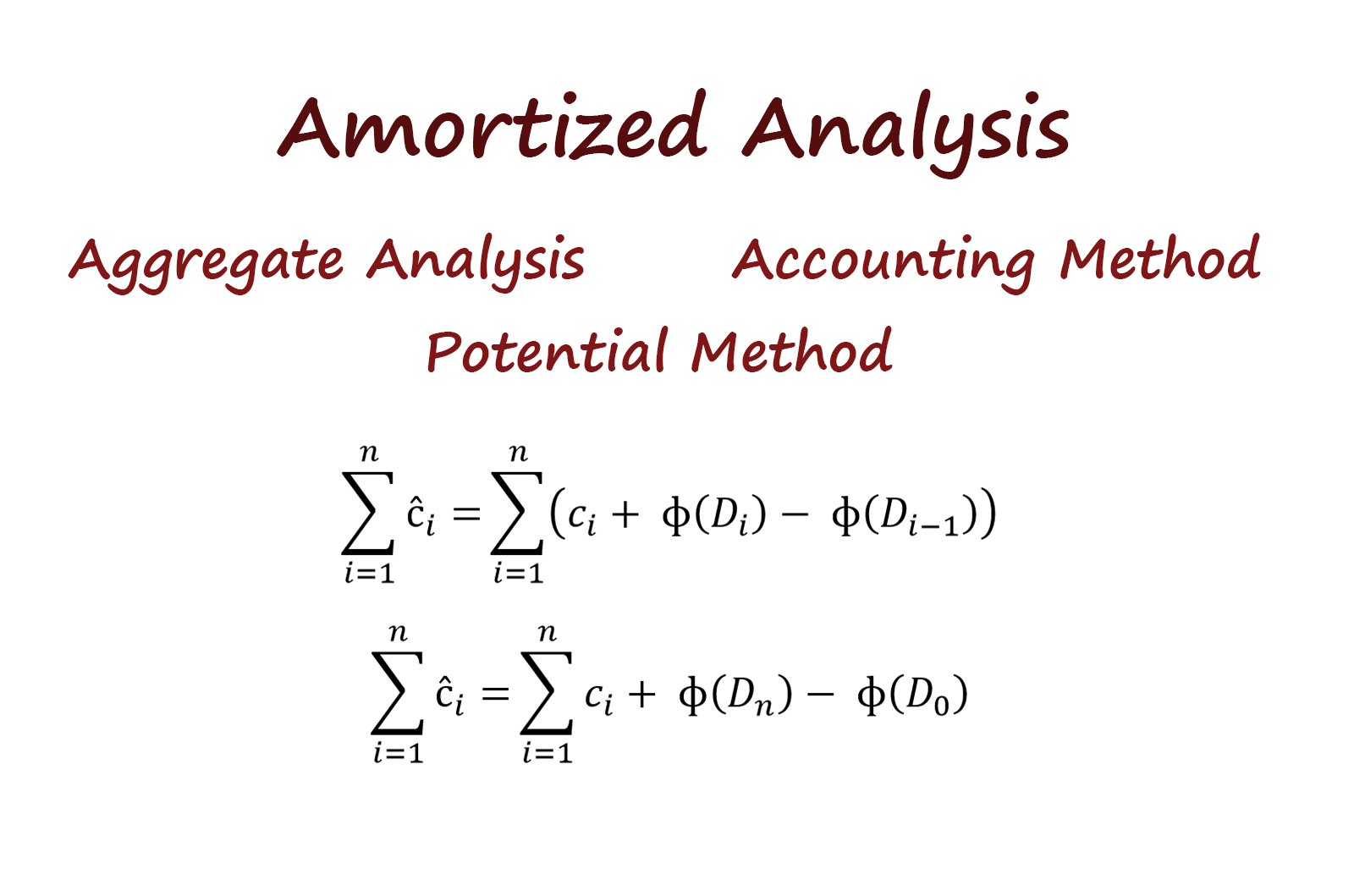
Amortized Analysis – A basic introduction
In amortized analysis, we average the time needed to perform a sequence of data structure operations. By this method, we can show that the average cost of an operation is small, even if we have a single operation within the sequence which might be expensive.
Read article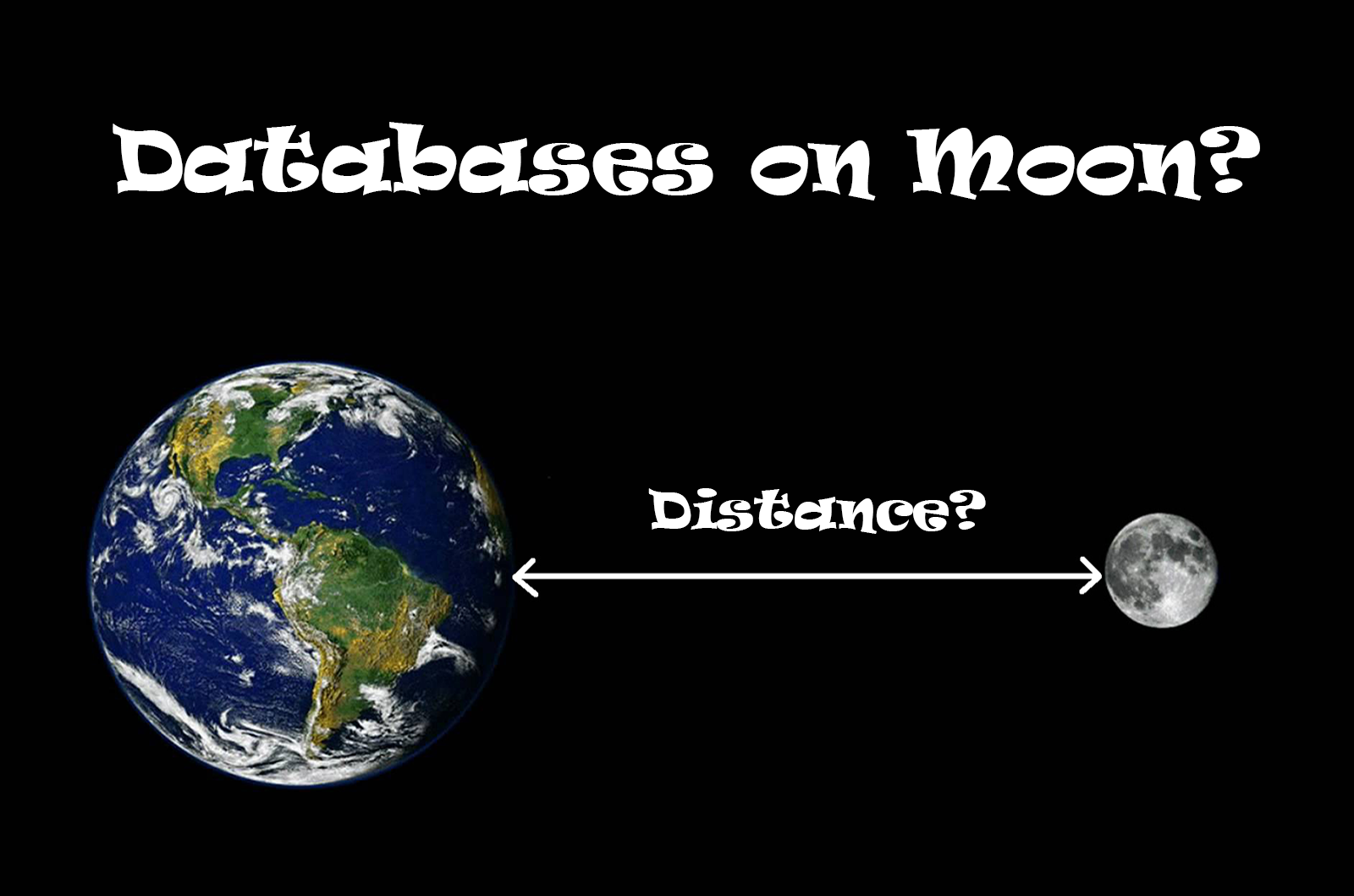
Outer Space Databases — Is it possible?
Have you ever imagined how it will be to have databases on different planets? How long will it take for queries to process and return results among databases on different planets?
Read article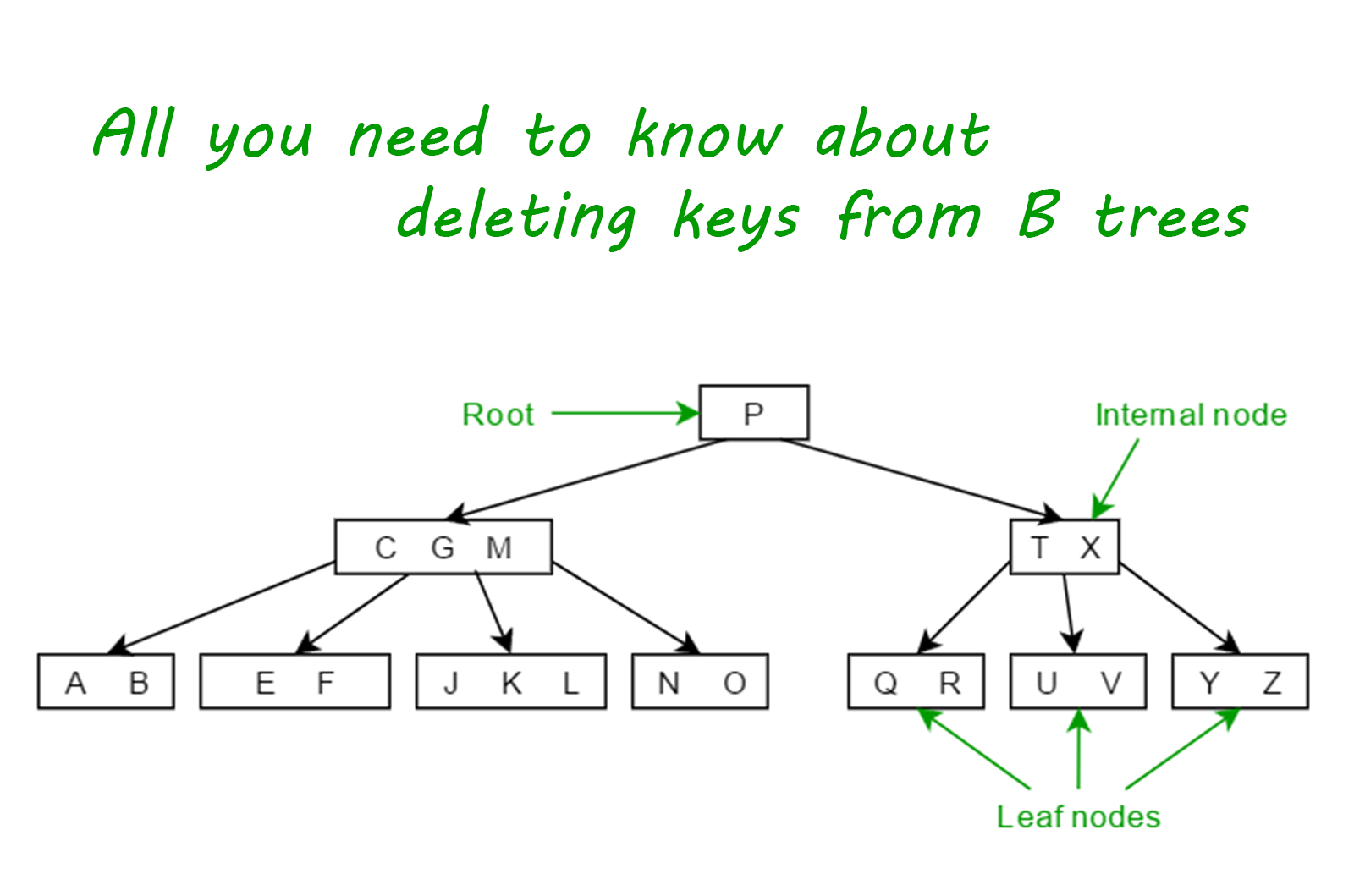
B Trees – All you need to know about deleting keys
B tree is a self-balancing search tree (the tree adjusts itself so that all the leaves are at the same depth) and contains multiple nodes which keep data in sorted order. Each node has 2 or more children, known as the branching factor and consists of multiple keys.
Read article